The short answer
There is no flat price for tuckpointing. The cost depends on how much wall needs work, how hard it is to reach and how much of the mortar has failed. The only reliable number is a written estimate after the contractor has seen your wall, or at least good photos of it.
What makes a job bigger
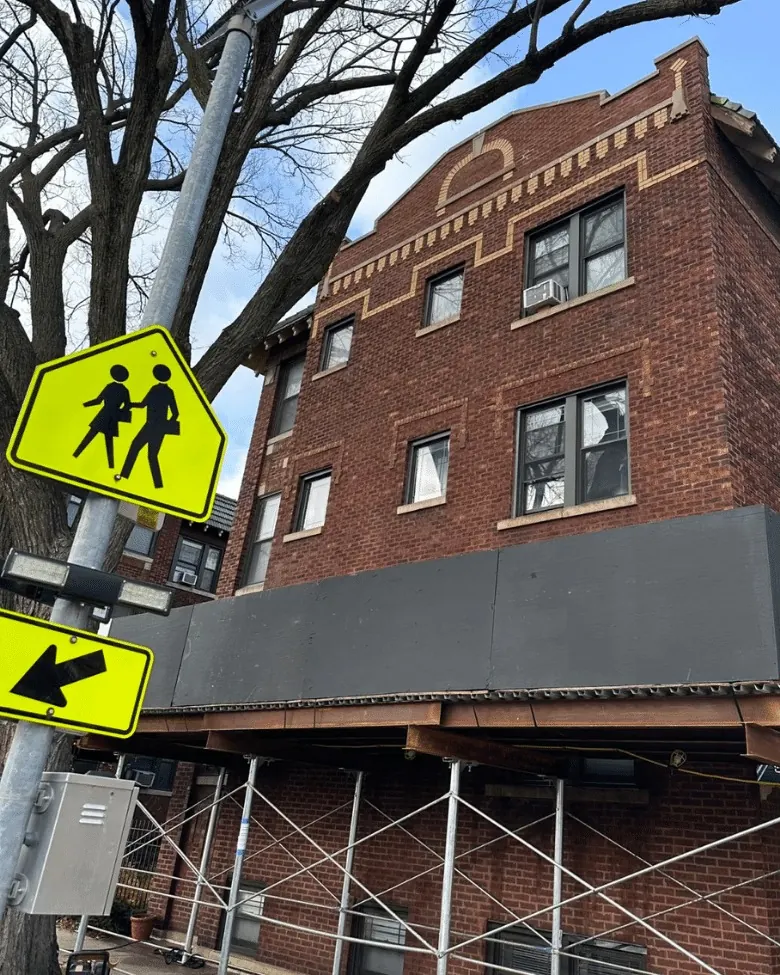
- Height and access: walls above the first floor need scaffolding or a lift, and tight alleys or shared walls make setup harder.
- How much mortar has failed: a wall with a few bad joints is a quick job; a wall where mortar falls out by hand takes much longer.
- Brick replacement: cracked or flaking bricks have to be cut out and replaced, which adds labor and materials.
- Mortar matching: older brick often needs mortar matched in color and strength, not whatever comes in the bag.
- Wall area: more wall means more time. This is the area of the wall itself, not the floor area of the building.
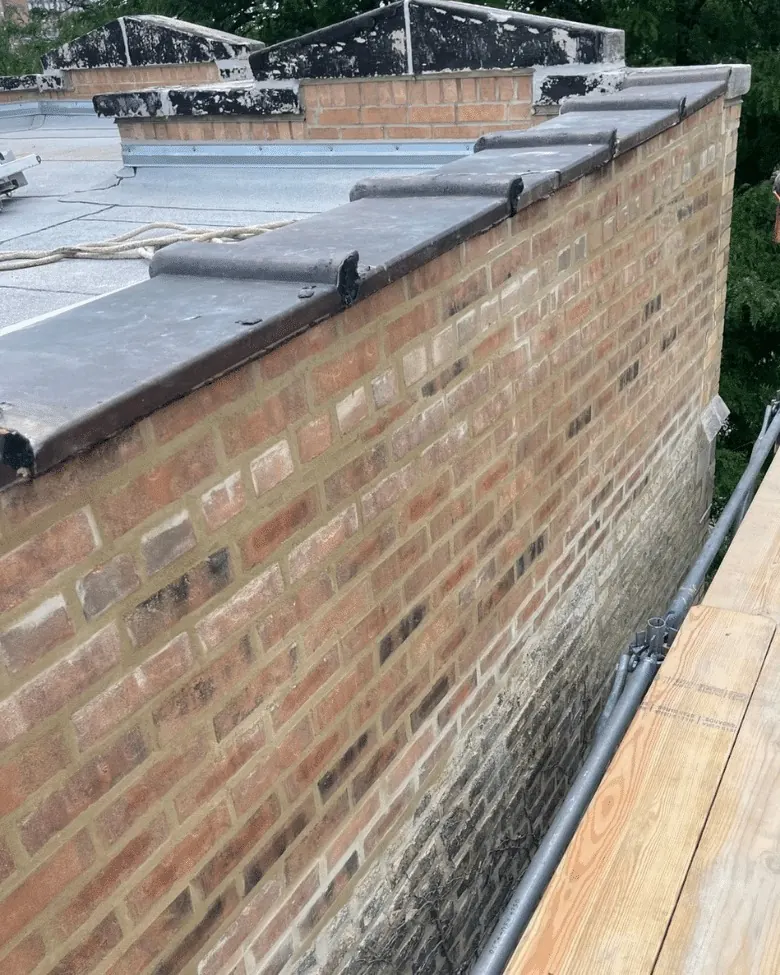
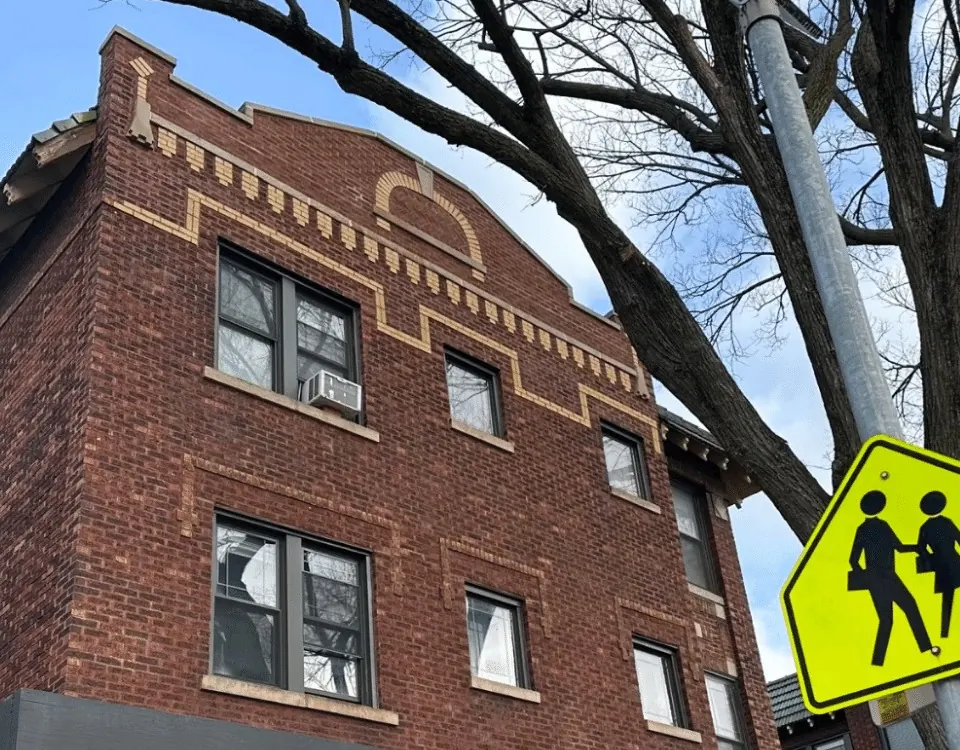
- Difficult details: arches, decorative brickwork, chimneys and parapets take more care than a flat wall.
What can keep it down
- Repairing early: a small area of failed mortar is much easier to fix than a wall that has started to lose bricks.
- Bundling work: if scaffolding is already up, adding a related job such as power washing or window caulking can be more efficient.
- Doing the whole wall at once instead of coming back for patches later.
Spot repair or the whole wall?
If only one section is failing, a spot repair may be enough. But new mortar next to old, worn mortar can look patchy, and the old joints will keep failing. We tell you honestly which option makes sense for your wall.
How to get an accurate estimate
- Send clear photos of every wall in question, with close-ups of the worst areas.
- Tell us roughly how tall the building is and whether there is alley or yard access.
- Ask for a written estimate that says which walls are included, whether brick replacement is covered and what is not included.